What should you consider when buying a sesame butter making machine?
Choosing the right sesame butter making machine depends on your production capacity, required paste fineness, raw materials, and budget. For food processing businesses planning to produce sesame paste or tahini commercially, comparing these factors before purchasing helps you avoid equipment that doesn’t match your actual production needs.
Determine your required production capacity
Production capacity is one of the first factors to consider. A small sesame paste workshop may need only tens of kilograms per hour, while a commercial processing plant may require several hundred or even thousands of kilograms per hour.
Taizy offers multiple sesame butter making machine models for different production requirements:
- TZ-50: 10–30 kg/h
- TZ-80: 50–100 kg/h
- TZ-110: 100–200 kg/h
- TZ-130: 200–300 kg/h
- TZ-180: 500–800 kg/h
- TZ-220: 600–900 kg/h
- TZ-240: 1,000–1,500 kg/h
- TZ-300: 3,000–5,000 kg/h
When comparing models, consider both your current output and potential production growth. The actual capacity may vary depending on the raw material, grinding requirements, and operating conditions. Confirm the expected output with the supplier before placing an order.
Check required sesame paste fineness
The texture of sesame paste is another important consideration. Different products may require different levels of fineness, so the machine should be able to achieve the texture your customers expect.
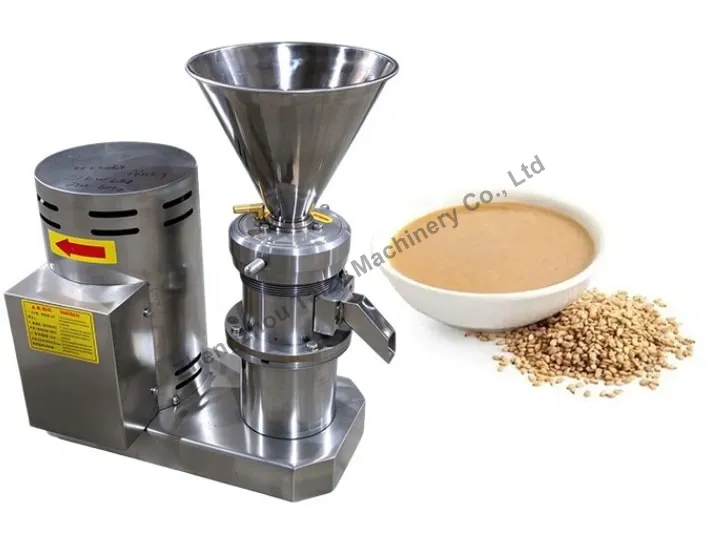
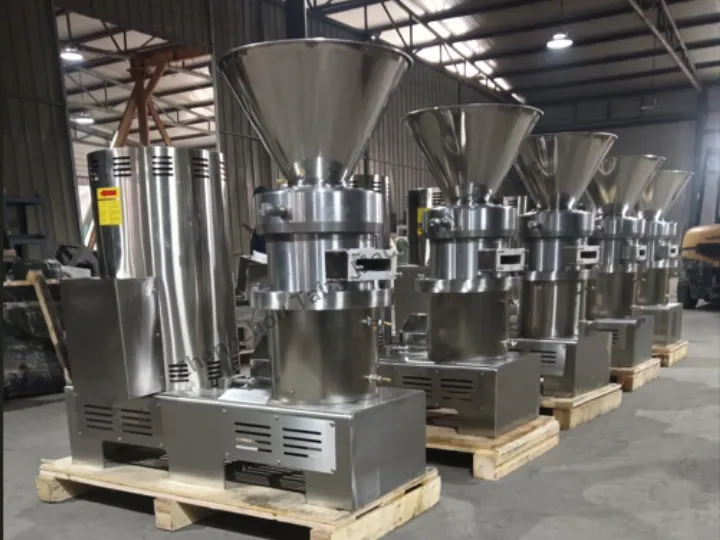
A colloid mill uses high-speed relative movement between its grinding components to shear and grind the material into a fine paste. The grinding gap can typically be adjusted to influence the final texture.
Before purchasing a sesame butter making machine, explain your desired product consistency to the manufacturer.
Confirm raw material compatibility
Although our sesame butter making machine is designed for processing sesame seeds, suitable colloid mills may also handle other oil-rich materials, depending on the machine configuration.
- Potential materials include:
- White and black sesame seeds for tahini or sesame paste
- Peanuts for peanut butter
- Almonds for almond paste
- Cashews and hazelnuts for other nut pastes
Not every model is suitable for every material or processing condition. Ask the supplier to confirm compatibility before purchasing.
Some materials also require pretreatment. For example, peanuts are commonly roasted before grinding to develop their flavor and prepare them for peanut butter production.
Pay attention to machine materials and maintenance
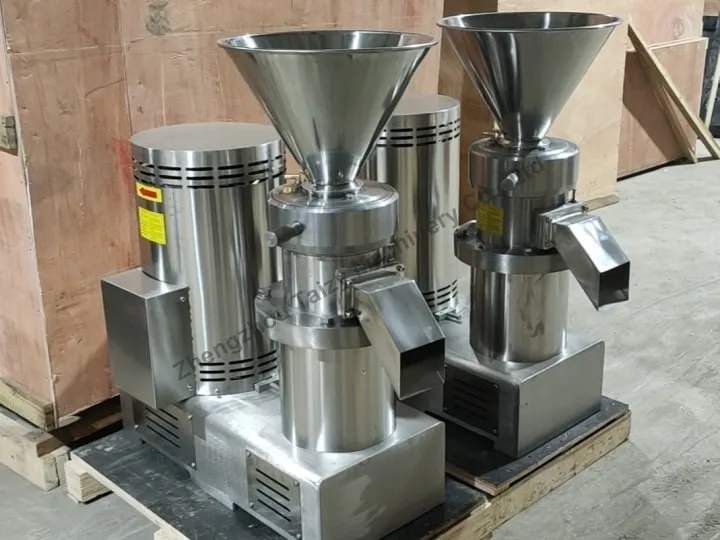
Machine construction is important when processing food products. Check the materials used in the grinding components, housing, and other parts that contact the raw materials.
For Taizy’s sesame butter making machine, the grinding head is made of 9Cr18 stainless steel, while the machine housing is made of 201 stainless steel.
You should also ask about routine cleaning, grinding-part inspection, wear-part replacement, and access to spare parts. Clear maintenance instructions can help reduce downtime during daily production.
Set a realistic purchasing budget
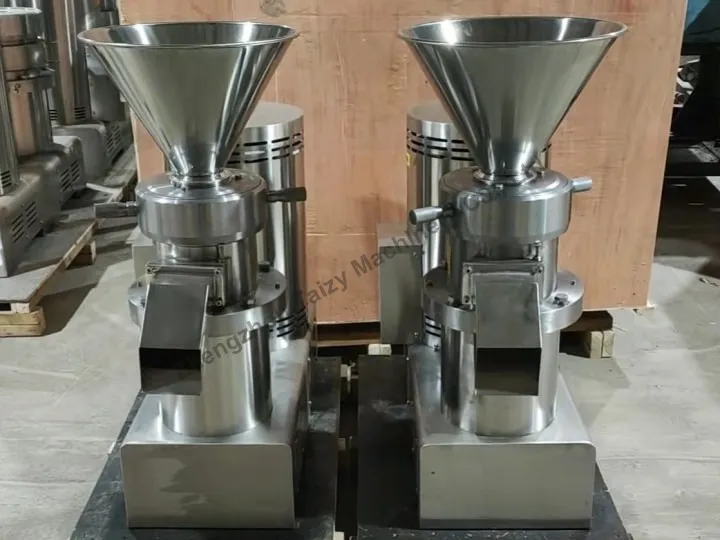
The purchase price depends on the model, motor power, processing capacity, and configuration. Smaller sesame butter making machines generally require a lower initial investment, while high-capacity models are designed for larger-scale production.
As a general starting point, some sesame paste grinding machines may be advertised at prices above $2,000, but the actual quotation depends on the specific machine and requirements.
When comparing quotations, check what is included, such as the machine configuration, testing, export packaging, shipping, spare parts, and technical support. Comparing the full supply scope gives you a clearer picture of the total investment.
Evaluate the supplier’s support
Equipment selection is only part of the purchasing process. Reliable technical support can also make installation and operation easier, especially for businesses using a colloid mill for the first time.
Before placing an order, ask whether the supplier can provide:
- Model recommendations based on your raw materials and target output
- Machine testing and operating videos before shipment
- Export packaging and shipping arrangements
- Operating instructions and technical guidance
- Spare parts and remote assistance when needed
These services help you confirm the machine’s suitability and prepare for production.
Choose a sesame paste machine that matches your needs
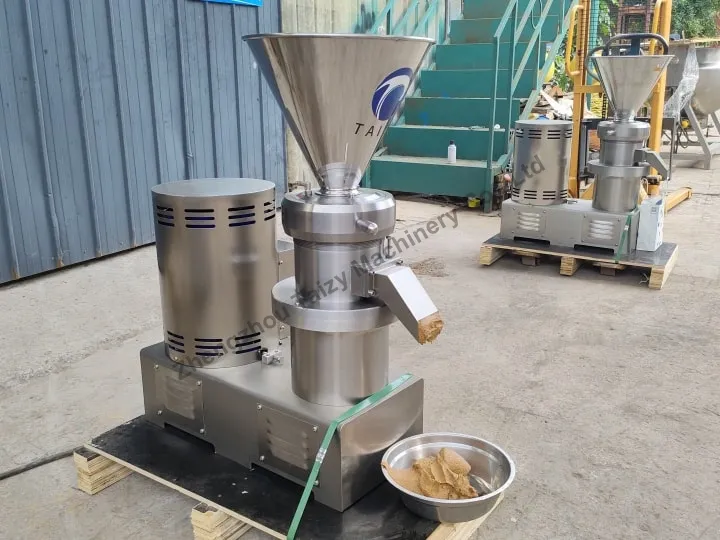
The right sesame butter making machine should meet your production target, deliver the required paste texture, work with your raw materials, and fit your budget and electrical conditions. Comparing these factors is more useful than choosing a machine based on price alone.
Taizy offers GN-series colloid mills for sesame paste, tahini, and other suitable nut pastes, with capacities ranging from 10 to 5,000 kg/h. Contact Taizy with your raw materials, expected hourly output, and desired paste texture to receive a suitable model recommendation and quotation.