Sesame paste machine
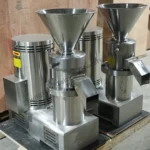
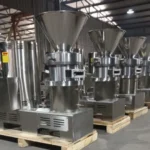
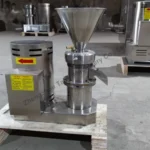
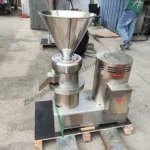
| Jina la mashine | Sesame paste machine |
| Mfano | TZ-80, TZ-110, TZ-130, TZ-180, TZ-220, etc. |
| Uwezo | 10-5000kg/h |
| Voltage | 380V/50Hz |
| Nguvu | 1.5-90KW |
| Uzito | 65-1200kg |
Sasa unaweza kuwauliza wasimamizi wetu wa mradi kwa maelezo ya kiufundi
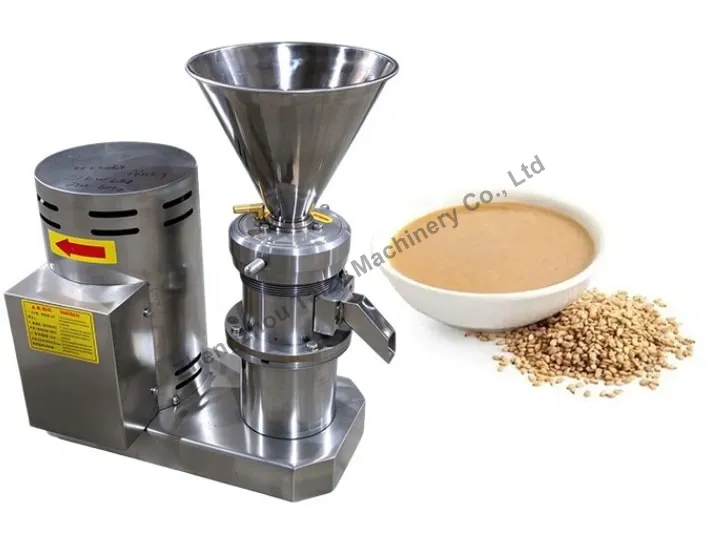
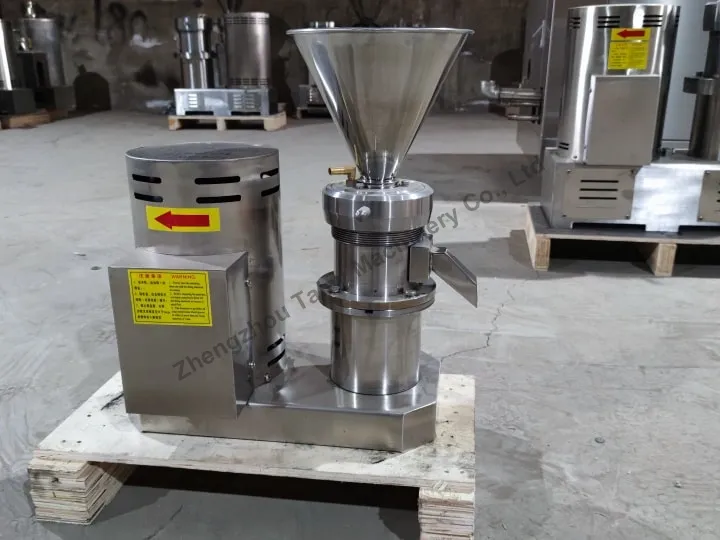
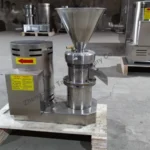
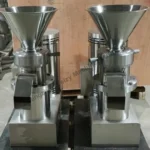
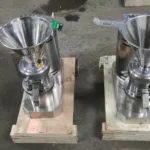
The sesame paste machine is an industrial colloid mill designed to grind sesame seeds into smooth, uniform sesame paste. It uses high-speed rotation and the shearing, grinding, and emulsifying action between its grinding components to reduce particle size and produce a fine paste.
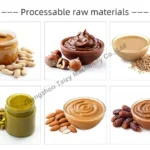
Our sesame paste grinder is suitable not only for making sesame paste but also for processing peanut butter, pistachio paste, date paste, almond butter, and more.
Taizy offers a variety of sesame tahina machine models with processing capacities ranging from 10 kg/h to 5,000 kg/h. These models cater to the diverse needs of small-scale food processors, commercial sesame paste producers, and large-scale manufacturing facilities.
What is a sesame paste machine?
A sesame paste machine, also called a sesame colloid mill, is used to grind sesame seeds into a paste with a fine texture. Unlike equipment designed only to crush or cut seeds, a colloid mill applies intensive mechanical grinding and shearing to help achieve a more uniform consistency.
This sesame butter machine is commonly used in sesame paste and tahini production. Depending on the model and processing requirements, it can be used as a standalone grinding unit or integrated into a larger food-processing line.
The final paste consistency depends on several factors, including the condition of the sesame seeds, feed rate, grinding gap, material temperature, and the number of grinding passes.
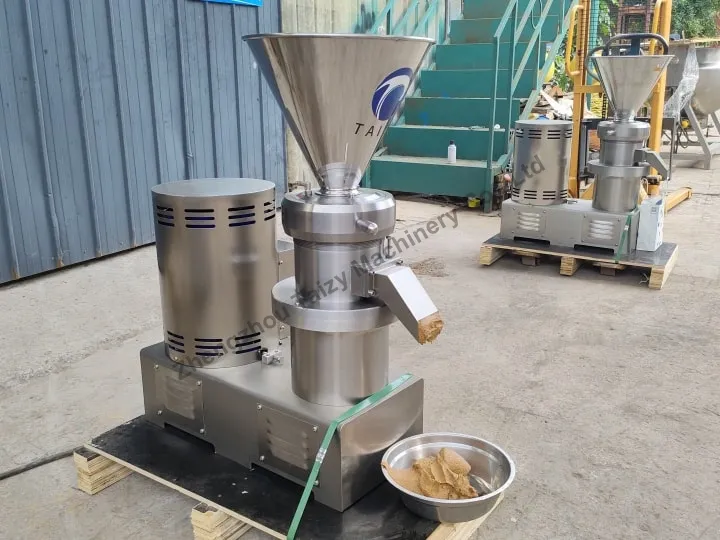
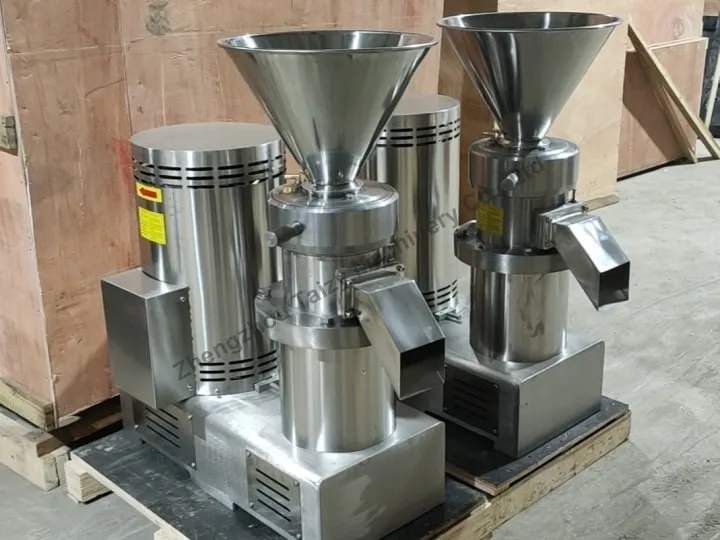
Key advantages of sesame butter making machine
- The colloid mill grinding system is designed to produce a fine, uniform paste. It is suitable for manufacturers who need to process sesame seeds into a consistent product for food applications
- Taizy provides eight models with different motor powers and processing capacities. Small businesses can choose a compact model, while larger processors can select higher-capacity equipment according to their hourly production requirements.
- The grinding head is made of 9Cr18 material, selected for its hardness and wear resistance. This component directly participates in grinding, so its material properties are important for maintaining performance during repeated processing.
- The sesame paste machine housing is made of 201 stainless steel. Buyers should confirm the material specifications of all product-contact components when evaluating food-processing equipment.
- In addition to sesame paste, a colloid mill may be used for peanut butter, almond paste, cashew paste, and other compatible nut or seed pastes.
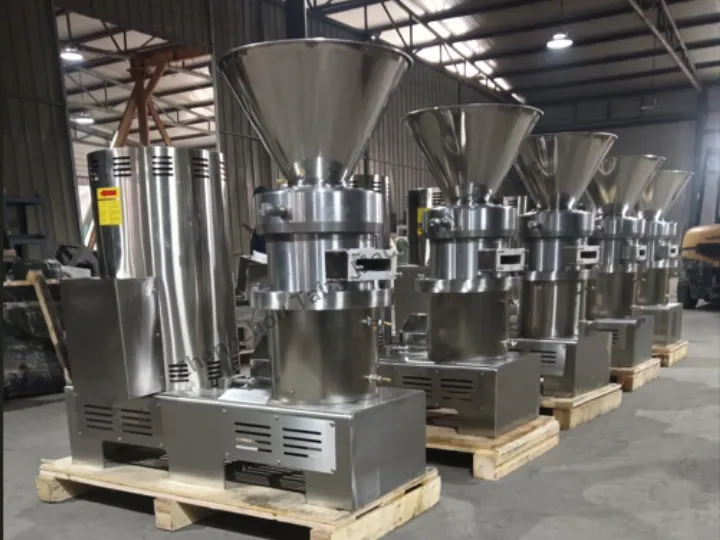
Learn how the sesame paste grinder machine works
The sesame paste machine works through relatively high-speed movement between its grinding components. The material passes through the grinding area, where mechanical friction and compression break down particles and disperse the material into a finer paste.
The basic processing steps are as follows:
- Raw material preparation: Clean the sesame seeds. Roast or condition them according to the desired product and processing method.
- Kulea: Transfer the prepared sesame seeds into the machine’s feed inlet at a suitable and consistent rate.
- | Kusaga: The rotating and stationary grinding surfaces apply shear and friction to break down the material and form a paste.
- Kutoa: The ground sesame paste flows out through the discharge outlet for collection or further processing.
The grinding gap and feeding rate affect the final texture and processing output. Operators should select suitable settings based on the raw material and desired product consistency.
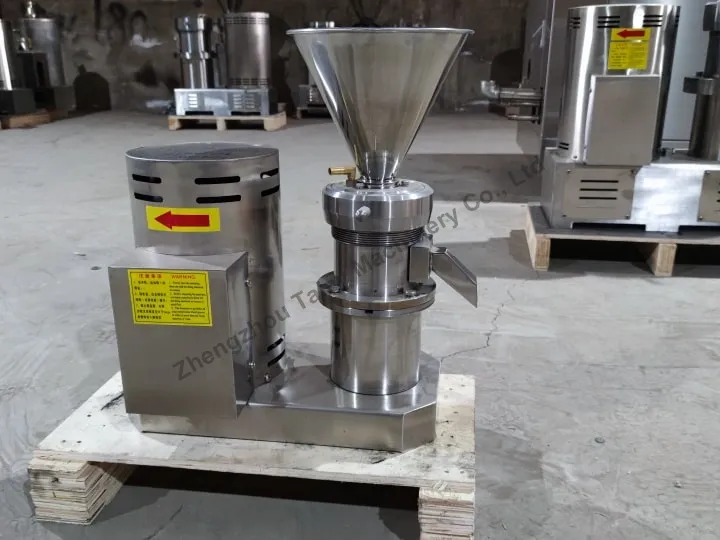
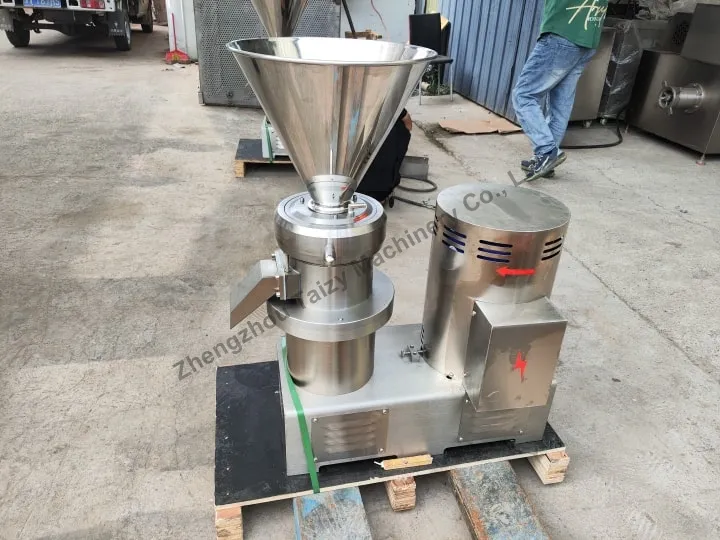
Models and parameters of Taizy sesame tahina machine
The following table lists the available sesame paste machines, including their voltage, power, rated capacity, weight, dimensions, and listed prices.
| Mfano | Voltage | Nguvu (kW) | Uwezo (kg/h) | Uzito (kg) | Vipimo (mm) |
|---|---|---|---|---|---|
| TZ-50 | 380V/50Hz | 1.5 | 10–30 | 65 | 610 × 400 × 700 |
| TZ-80 | 380V/50Hz | 4 | 50–100 | 170 | 850 × 450 × 930 |
| TZ-110 | 380V/50Hz | 7.5 | 100–200 | 220 | 850 × 450 × 1,050 |
| TZ-130 | 380V/50Hz | 11 | 200–300 | 350 | 1,000 × 500 × 1,100 |
| TZ-180 | 380V/50Hz | 18.5 | 500–800 | 440 | 1,050 × 550 × 1,100 |
| TZ-220 | 380V/50Hz | 30 | 600–900 | 580 | 1,080 × 600 × 1,350 |
| TZ-240 | 380V/50Hz | 37 / 45 | 1,000–1,500 | 800 | 1,400 × 600 × 1,350 |
| TZ-300 | 380V/50Hz | 75 / 90 | 3,000–5,000 | 1,200 | 1,500 × 700 × 1,450 |
Note: The capacities and prices above are listed specifications. Actual output may vary depending on raw material condition, required fineness, feeding rate, and operating conditions. Confirm the final configuration, voltage requirements, and quotation before ordering.
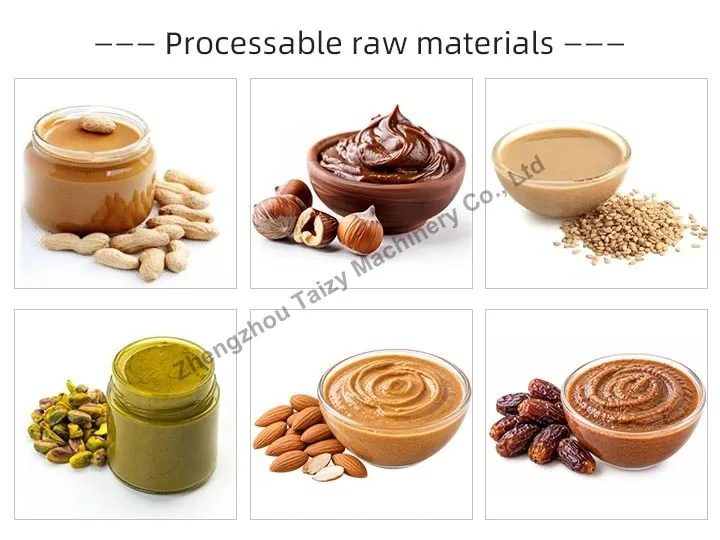
Raw materials processed by sesame colloid mill
The sesame paste machine can process sesame seeds and other suitable nuts and oil-rich seeds into paste, depending on the raw material and machine configuration.
Sesame seeds: Black or white sesame seeds for sesame paste and tahini.
- Peanuts: For peanut butter production.
- Almonds: For almond paste or almond butter.
- Cashews: For cashew paste.
- Other nuts: Such as hazelnuts.
Some raw materials require pretreatment before grinding. For example, peanuts are usually roasted before being processed into peanut butter. Taizy also supplies mashine ya kukaanga karangas to help customers prepare raw materials for grinding.
The suitable pretreatment method depends on the material and desired product. Contact us to confirm equipment compatibility and select a suitable processing solution.
How much does a sesame butter machine cost?
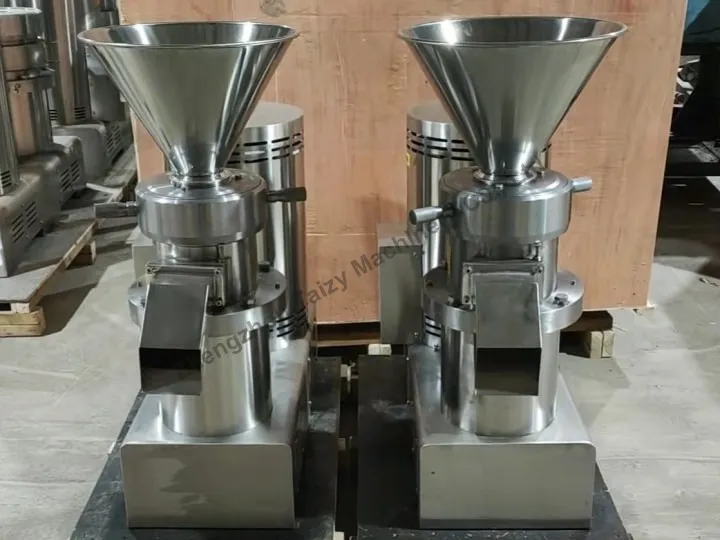
The price of a sesame paste machine starts at USD 2,000, depending on the model, processing capacity, and configuration. Contact us with your raw materials and production requirements to receive a suitable model recommendation and an accurate quotation.
FAQ about sesame paste making machine
Do sesame seeds need to be roasted before grinding?
Roasting depends on the desired flavor and product requirements.
Can I use the machine to produce different types of paste?
Yes, a suitable colloid mill may process different nuts and oil-rich seeds.
Is the machine easy to clean and maintain?
Routine cleaning and inspection help maintain stable operation. Follow the machine’s operating instructions when cleaning the grinding components, checking wear parts, and performing maintenance.
How long is the production cycle?
Generally, production can be completed within 10–15 days after payment.
Is there a warranty period, and how long is it?
It comes with a one-year warranty.
What Services can Taizy provide?
Taizy provides practical support to help you select, install, and operate your sesame paste machine.
- Equipment selection: Recommend a suitable model based on your raw materials, required capacity, and paste fineness.
- Complete processing solutions: Provide supporting equipment, such as peanut roasting machines for raw materials that require roasting before grinding.
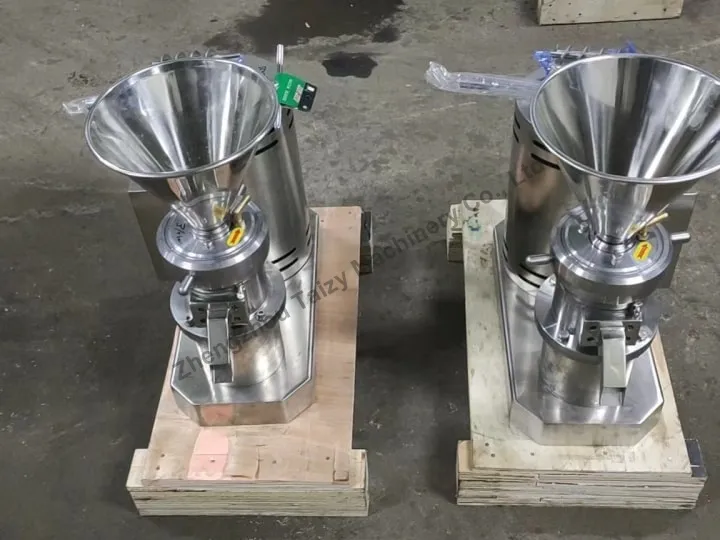
- Machine testing: Test the machine before delivery and provide videos of its operation and processing results.
- Shipping and packaging: Arrange export packaging and coordinate shipment.
- Msaada wa kiufundi: Provide operation guidance, spare parts, and remote assistance when needed.
Contact Taizy with your raw materials and production requirements to get a suitable machine recommendation and quotation.
Get right sesame paste machine from Taizy
Whether you are processing sesame seeds into tahini or making peanut butter and other nut pastes, Taizy can help you select suitable grinding and pretreatment equipment. Tell us your raw materials, target capacity, and desired paste texture. Our team will recommend a suitable machine and provide a quotation based on your needs. Contact Taizy today to discuss your sesame paste processing project.